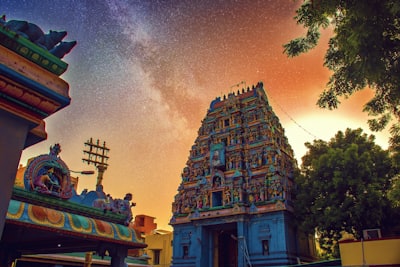
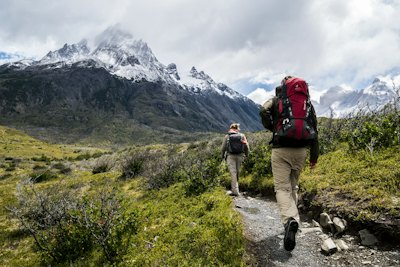
The Char Dham Yatra is one of India's most sacred pilgrimages, taking devotees to four holy shrines nestled in the Garhwal Himalayas of Uttarakhand — Yamunotri, Gangotri, Kedarnath, and Badrinath. Each year, over 3 lakh pilgrims complete this journey, and 2025 is expected to be the biggest year yet with new facilities and better roads.
Whether you're planning your first yatra or looking for an updated guide, this comprehensive article covers everything — from the best time to go, registration process, route options, realistic budget breakdown, and insider tips that most tour operators won't tell you.
- Dhams Covered: Yamunotri → Gangotri → Kedarnath → Badrinath
- Best Time: May–June & September–October
- Duration: 10–14 days (standard pace)
- Budget Range: ₹20,000–₹60,000+ per person
- Registration: Mandatory online at chartdhamregistration.in
🗓️ Best Time to Visit Char Dham
The Char Dham temples open in April–May (exact dates announced by priests based on auspicious muhurat) and close in October–November for winter. The ideal visiting windows are:
- May–June: Best weather, all routes open, but crowded
- July–August: Monsoon season — landslide risk, avoid if possible
- September–October: Best overall — clear skies, less crowd, beautiful autumn scenery
"September-October is the hidden gem window for Char Dham. The crowds have thinned, the mountain views are crystal clear after monsoon, and accommodation prices drop by 30–40%." — Firstraveller Guide Team
🗺️ Complete Route & Itinerary
The traditional Char Dham circuit follows a specific order starting from Haridwar. Here's the standard 11-day route:
| Day | Route | Distance | Key Activity |
|---|---|---|---|
| Day 1 | Haridwar → Barkot | 185 km | Ganga Aarti at Haridwar |
| Day 2 | Barkot → Yamunotri → Barkot | 36 km trek | Yamunotri Darshan |
| Day 3 | Barkot → Uttarkashi | 100 km | Visit Kashi Vishwanath Uttarkashi |
| Day 4 | Uttarkashi → Gangotri | 100 km | Gangotri Darshan, Bhagirathi river |
| Day 5 | Gangotri → Guptkashi | 220 km | Ardh Narishwar Temple |
| Day 6 | Kedarnath (Trek / Heli) | 16 km trek | Kedarnath Darshan — main dham |
| Day 7 | Kedarnath → Badrinath | 210 km | Triyuginarayan Temple en route |
| Day 8 | Badrinath Darshan | – | Badrinath + Mana Village |
| Day 9 | Badrinath → Rishikesh | 295 km | Devprayag Sangam |
| Day 10 | Rishikesh → Haridwar | 20 km | Ganga Aarti at Haridwar |
| Day 11 | Departure from Haridwar / Delhi | – | – |
💰 Budget Breakdown
Here's a realistic budget breakdown for the Char Dham Yatra 2025 based on actual costs:
- Budget (Dharamshala + Shared Cab): ₹18,000–₹22,000 per person
- Mid-Range (3-Star Hotels + Private Cab): ₹28,000–₹38,000 per person
- Premium (4-Star + Helicopter for Kedarnath): ₹55,000–₹75,000 per person
- Helicopter (Kedarnath only): ₹4,500–₹8,000 per person one-way
- VIP Darshan (all 4 dhams): ₹1,500–₹2,500 extra
📝 Registration — Mandatory in 2025
Since 2022, online registration is mandatory for the Char Dham Yatra. You must register at registrationandtouristcare.uk.gov.in before beginning your journey. Here's what you need:
- Aadhaar card (mandatory)
- A valid mobile number for OTP verification
- Registration QR code to be printed or saved on phone
- Daily pilgrim limits apply — register early especially for May–June dates
- No registration fee — it's completely free
🎒 Essential Packing List
The Char Dham covers altitudes from 1,500m (Haridwar) to 3,583m (Badrinath), so weather preparedness is critical:
- Warm thermal inners and fleece jacket (even in May/June)
- Waterproof windcheater / rain poncho
- Comfortable trekking shoes (mandatory for Kedarnath & Yamunotri)
- Personal medicines + altitude sickness tablets (Diamox)
- Walking stick (available for rent at all dhams)
- Snacks, dry fruits, energy bars for trek days
- Printed copies of registration documents
- Sufficient cash (ATMs are unreliable at higher altitudes)
💡 Insider Tips
- Book accommodation 2–3 months in advance for May–June travel
- For Kedarnath, take the helicopter if you have knee issues or are over 65
- Start darshan by 5 AM to avoid the afternoon rush and get the best experience
- Carry a power bank — charging points are unreliable at high altitudes
- The Mana Village near Badrinath (India's last village before Tibet) is a must-visit — just 3 km away
- Avoid non-vegetarian food and alcohol throughout the yatra — many dhabas won't serve it anyway