

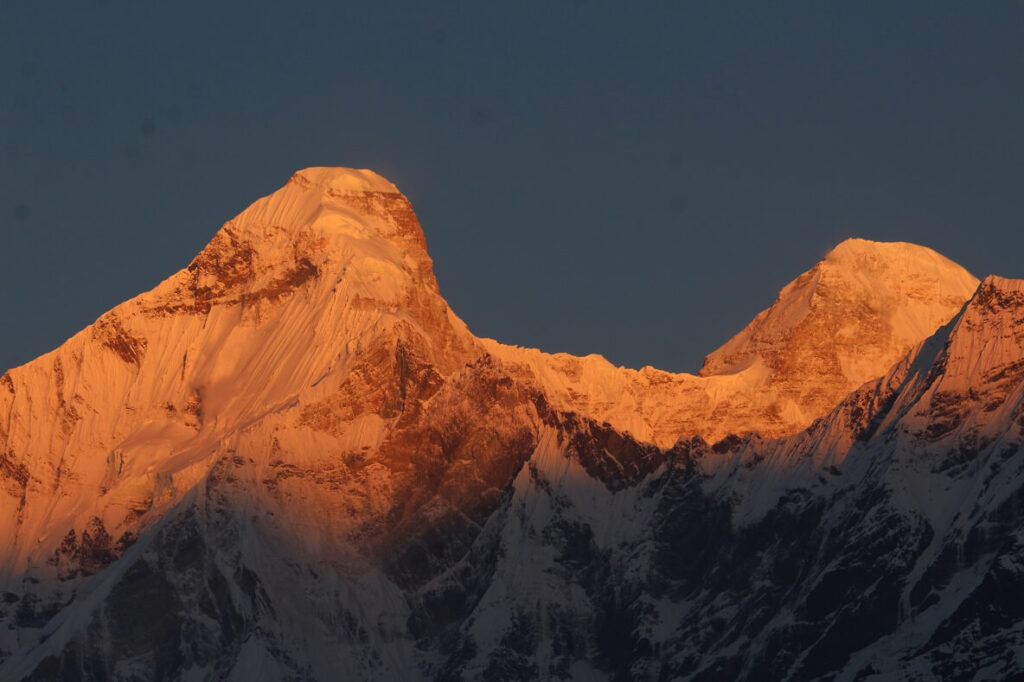
Nestled in the heart of the Indian Himalayas, Nanda Devi is more than just a mountain—it is a symbol of faith, culture, adventure, and natural beauty. Standing tall at 7,816 meters, Nanda Devi is India’s second-highest peak and one of the most revered mountains in Uttarakhand. Surrounded by snow-covered peaks, alpine meadows, and ancient traditions, Nanda Devi holds a special place in the hearts of pilgrims, trekkers, and nature lovers alike.
Whether you are planning a trek, exploring Uttarakhand’s rich heritage, or seeking spiritual inspiration, Nanda Devi offers an unforgettable experience.
Where is Nanda Devi Located?
Nanda Devi is located in the Chamoli district of Uttarakhand within the Garhwal Himalayas. The mountain forms the centerpiece of the famous Nanda Devi Sanctuary, a naturally protected basin surrounded by some of the highest Himalayan peaks.
The region falls within the Nanda Devi National Park, which together with the Valley of Flowers National Park forms the UNESCO World Heritage Site known as the Nanda Devi and Valley of Flowers Biosphere Reserve.
The Meaning and Significance of Nanda Devi
The name “Nanda Devi” translates to “Bliss-Giving Goddess.” In Hindu tradition, Nanda Devi is regarded as an incarnation of Goddess Parvati, the consort of Lord Shiva.
For the people of Uttarakhand, Nanda Devi is not merely a mountain but a living deity and protector of the region. Numerous temples dedicated to the goddess can be found across Kumaon and Garhwal, making her one of the most worshipped deities in the state.
Why is Nanda Devi Worshipped?
- Considered the guardian goddess of Uttarakhand.
- Revered as a manifestation of Goddess Parvati.
- Associated with prosperity, protection, and fertility.
- Central figure in many local festivals and traditions.
The Majestic Nanda Devi Peak
Nanda Devi is one of the most striking mountains in the Himalayas due to its unique geographical setting. The peak is enclosed by a ring of towering mountains that form a natural fortress around it.
Key Facts About Nanda Devi
| Feature | Details |
|---|---|
| Elevation | 7,816 meters (25,643 feet) |
| Location | Chamoli District, Uttarakhand |
| Mountain Range | Garhwal Himalayas |
| National Ranking | Second Highest Peak in India |
| First Successful Ascent | 1936 |
| UNESCO Status | Part of UNESCO World Heritage Site |
The peak remained one of the highest unclimbed mountains in the world until its first successful ascent by British-American climbers in 1936.
Nanda Devi National Park
Established to protect the fragile Himalayan ecosystem, Nanda Devi National Park is among India’s most important conservation areas.
The park is home to:
- Snow Leopard
- Himalayan Musk Deer
- Himalayan Black Bear
- Blue Sheep (Bharal)
- Himalayan Monal
- Numerous alpine flowers and medicinal plants
Due to its ecological sensitivity, access to the inner sanctuary remains highly restricted, helping preserve its pristine environment.
Flora and Fauna
The biodiversity of Nanda Devi National Park attracts researchers and wildlife enthusiasts from around the world. During summer, alpine meadows bloom with colorful flowers while rare wildlife can occasionally be spotted across the rugged terrain.
Nanda Devi Raj Jat Yatra: The Himalayan Kumbh
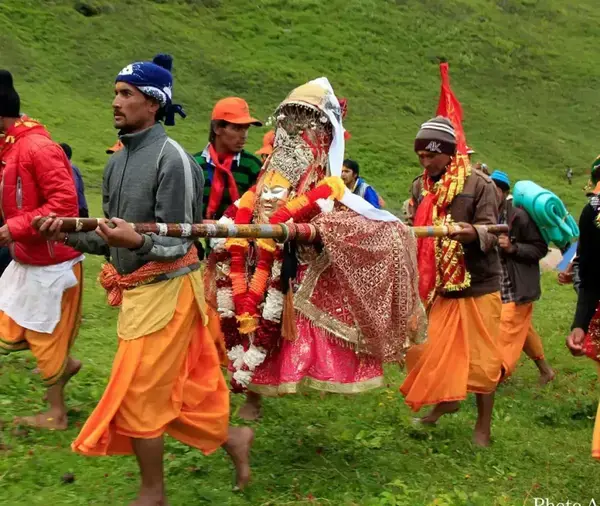
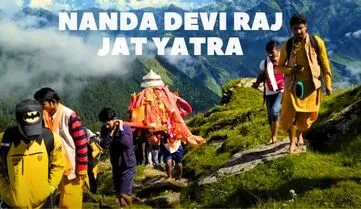
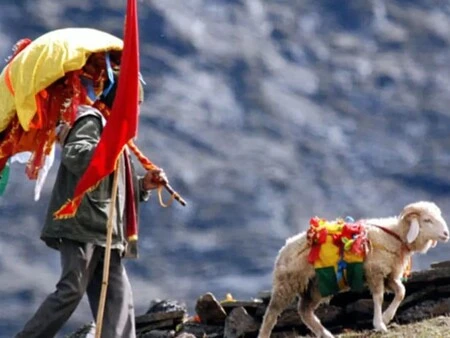
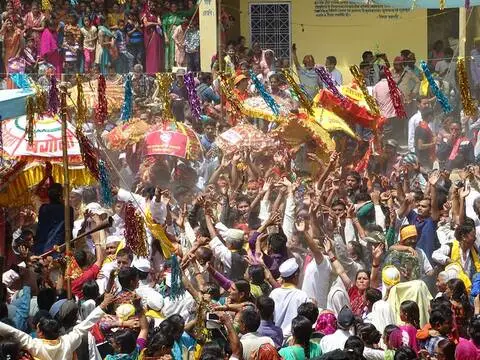
One of the most significant spiritual events associated with the goddess is the Nanda Devi Raj Jat Yatra.
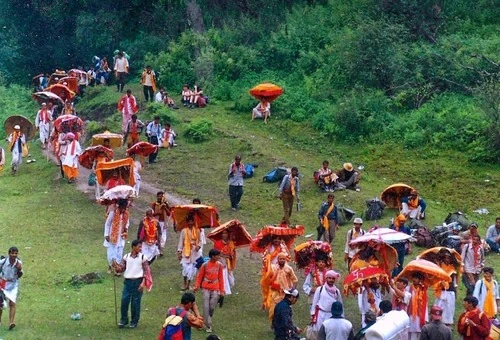
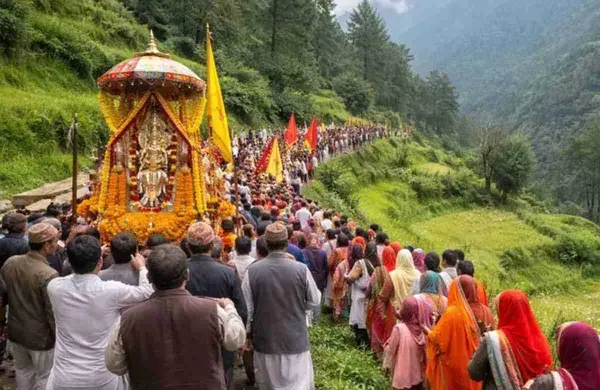
Often called the “Himalayan Kumbh,” this sacred pilgrimage takes place approximately once every twelve years and covers a challenging route through remote Himalayan villages, forests, and high-altitude passes.
Highlights of the Raj Jat Yatra
- Journey spans nearly 280 kilometers.
- Lasts for around three weeks.
- Attracts thousands of devotees.
- Passes through traditional villages and sacred sites.
- Culminates near the sacred Homkund region.
The yatra symbolizes the farewell journey of Goddess Nanda to her divine home in the Himalayas.
Trekking Around Nanda Devi
Although direct access to the inner sanctuary is restricted, several spectacular trekking routes offer breathtaking views of Nanda Devi.
Popular Nanda Devi Region Treks
1. Kuari Pass Trek
Known for panoramic Himalayan views, the trek offers stunning glimpses of Nanda Devi, Dronagiri, and Kamet peaks.
2. Auli to Gorson Bugyal Trek
A beginner-friendly trek featuring lush meadows and beautiful mountain scenery.
3. Nanda Devi East Base Camp Trek
One of the most adventurous Himalayan expeditions, leading trekkers close to the eastern face of Nanda Devi.
4. Valley of Flowers Trek
Combining natural beauty with spiritual significance, this trek lies within the same biosphere reserve.
Best Time to Visit Nanda Devi Region
The ideal time depends on your purpose of travel.
Summer (May to June)
- Pleasant weather
- Clear mountain views
- Excellent for trekking
Monsoon (July to September)
- Lush greenery
- Blooming alpine flowers
- Valley of Flowers at its best
Autumn (September to November)
- Crystal-clear Himalayan views
- Stable weather conditions
- Perfect for photography
Winter (December to March)
- Heavy snowfall in higher regions
- Limited accessibility
- Stunning snow-covered landscapes
How to Reach Nanda Devi Region
By Air
The nearest airport is Jolly Grant Airport in Dehradun.
By Train
Nearest railway stations:
- Haridwar
- Rishikesh
- Dehradun
By Road
Well-connected roads link major Uttarakhand destinations such as Joshimath, Chamoli, Karnaprayag, and Gwaldam with the Nanda Devi region.
Cultural Importance of Nanda Devi
The influence of Nanda Devi extends beyond religion. Folk songs, dances, festivals, and local traditions throughout Uttarakhand celebrate the goddess’s presence.
Many villages consider Nanda Devi their protector and organize annual fairs dedicated to her worship. Traditional Garhwali and Kumaoni culture remains deeply intertwined with the legend of the goddess.
Interesting Facts About Nanda Devi
- Nanda Devi is India’s second-highest mountain.
- It was once considered one of the most difficult peaks to access.
- The Nanda Devi Sanctuary is protected by a natural ring of mountains.
- The region is recognized as a UNESCO World Heritage Site.
- Nanda Devi Raj Jat Yatra is one of India’s most challenging pilgrimages.
- The mountain is regarded as a living goddess by local communities.
Responsible Tourism in Nanda Devi
Visitors should help preserve the fragile Himalayan ecosystem by:
- Avoiding plastic waste.
- Respecting local customs and traditions.
- Following trekking guidelines.
- Supporting local communities.
- Choosing eco-friendly travel practices.
Protecting Nanda Devi ensures future generations can continue to experience its beauty and spiritual significance.
Conclusion
Nanda Devi is not just a mountain; it is the spiritual heart of Uttarakhand. Its towering summit, rich mythology, sacred pilgrimages, and pristine natural environment make it one of the most remarkable destinations in the Himalayas.
Whether you seek adventure, spirituality, photography, or cultural exploration, Nanda Devi offers an experience that remains etched in memory forever. A journey to the Nanda Devi region is a journey into the soul of the Himalayas.
Plan your Nanda Devi adventure with Firstraveller and discover the timeless beauty of Uttarakhand’s most sacred mountain.