
Himalayas — not just for the views, but for something deeper — the Panch Kedar Yatra might be exactly what you’re looking for. This isn’t your typical mountain trek. It’s an 11-day journey through five ancient Shiva temples scattered across the Garhwal Himalayas, each one wrapped in centuries of mythology, devotion, and breathtaking scenery.
Planning your first Panch Kedar trip, this guide covers everything — the story behind the yatra, what to expect day by day, when to go, how to prepare, and what it’ll cost.
What Is the Panch Kedar Yatra?
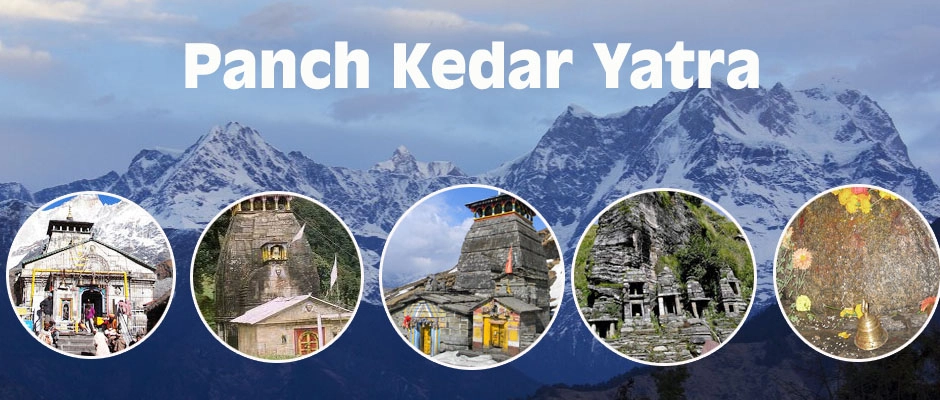
Panch Kedar literally translates to “five Kedars” — five temples dedicated to Lord Shiva, spread across the Garhwal region of Uttarakhand. The five temples are:
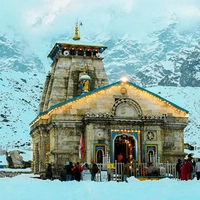
- Kedarnath – the most revered, where Shiva’s hump is worshipped
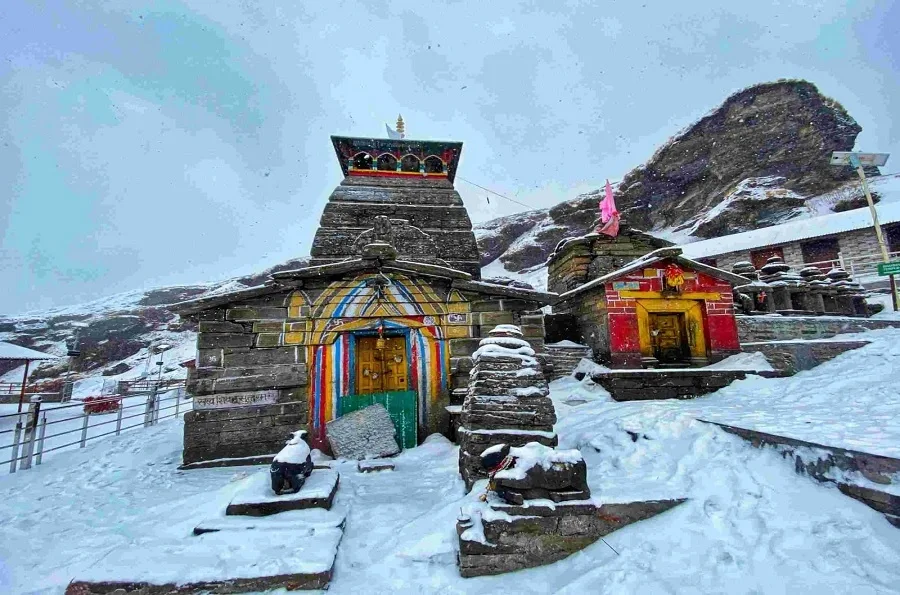
- Tungnath – the highest Shiva temple in the world, where his arms emerged
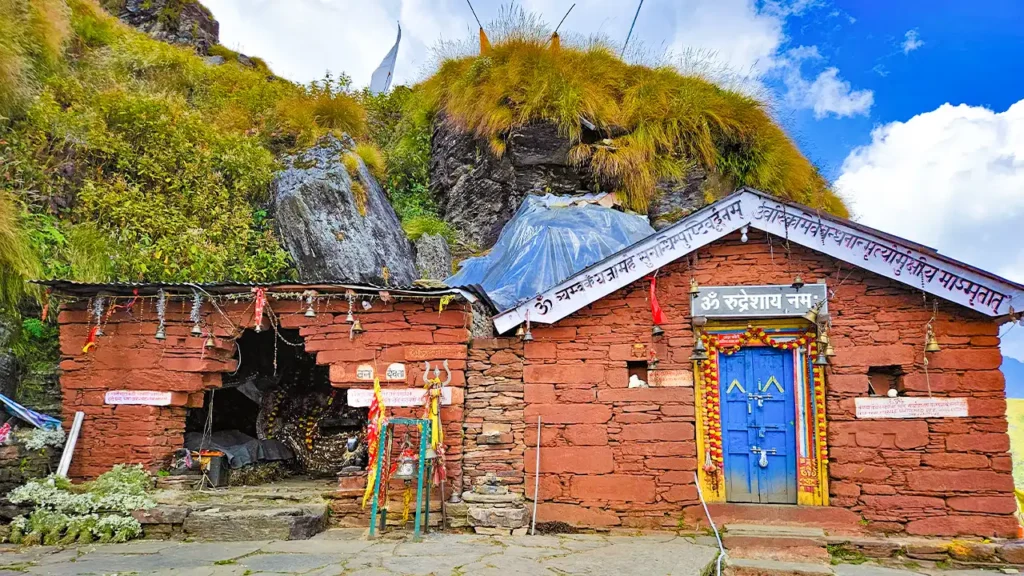
- Rudranath – a remote meadow temple, home to Shiva’s face
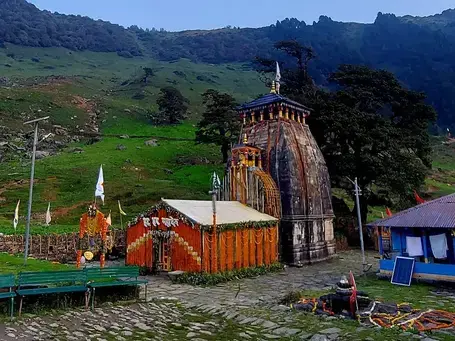
- Madhyamaheshwar (Madmaheshwar) – set in a lush valley, marking his navel
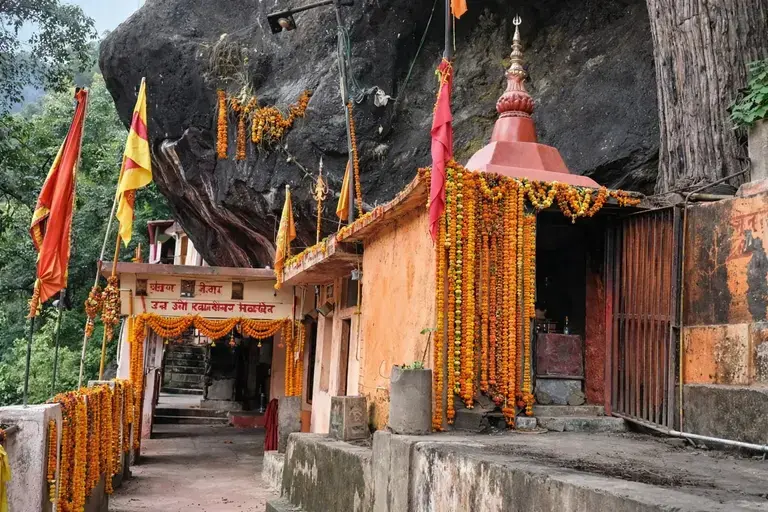
- Kalpeshwar – the only temple open year-round, dedicated to his matted locks (jata)
Together, these five sites form one of the most meaningful pilgrimage circuits in Hindu tradition — and one of the most rewarding multi-day treks in India.
The Legend Behind Panch Kedar
According to the Mahabharata, after the bloody Kurukshetra war, the Pandava brothers were tormented by guilt for killing their own kinsmen. Seeking forgiveness, they went looking for Lord Shiva. But Shiva wasn’t ready to forgive so easily — he transformed into a bull and fled into the Garhwal mountains to avoid them.
When the Pandavas finally recognized him and tried to catch hold of the bull, Shiva dove into the earth to escape. But he didn’t disappear completely — his body resurfaced in five different places, and each became a sacred shrine. That’s the origin story of the Panch Kedar temples, and it’s part of what makes this circuit feel less like a trek and more like walking through a living legend.
Panch Kedar Yatra: Day-by-Day Itinerary
Here’s a realistic breakdown of how the 11-day journey typically unfolds.
Day 1: Rishikesh → Kalpeshwar → Sagar Village
The journey begins in Rishikesh. En route, you’ll stop at Kalpeshwar — the only Panch Kedar temple accessible all year — for a quick darshan, before continuing to Sagar Village near Gopeshwar for your first overnight stay.
Day 2: Sagar Village → Lyuti Bugyal
Your first proper trekking day. The trail winds through dense forest before opening into Lyuti Bugyal, a sprawling alpine meadow with sweeping mountain views. You’ll camp here for the night.
Day 3: Lyuti Bugyal → Rudranath Temple
Today you reach Rudranath, the third Kedar. The trail is quiet and scenic, and arriving in time for the evening aarti — with temple bells echoing across the mountains — is one of the most memorable moments of the trip.
Day 4: Rudranath → Sagar Village (Downhill)
After the morning aarti, begin a long 22 km descent back to Sagar Village. It’s tough on the legs, but the views make up for it.
Day 5: Sagar Village → Chopta (Buffer Day)
A well-earned rest day. Drive to Chopta, often called the “Mini Switzerland of Uttarakhand,” and spend the day relaxing among meadows and pine forests — recharging for the next big push.
Day 6: Chopta → Tungnath → Chandrashila → Ransi
An early trek to Tungnath, the world’s highest Shiva temple, followed by a further climb to Chandrashila summit for panoramic views of Nanda Devi, Trishul, and Chaukhamba. Afterward, drive roughly 70 km to Ransi village for the night.
Day 7: Ransi → Madmaheshwar Temple
A scenic trek through the villages of Gaundar, Bantoli, and Maikhamba leads to Madmaheshwar, the fourth Kedar, set in a peaceful, untouched valley.
Day 8: Old Madmaheshwar → Ransi → Phata/Guptakashi
A short morning trek to the ancient Old Madmaheshwar Temple, followed by a descent to Ransi and a drive to Phata or Guptakashi — your launchpad for Kedarnath.
Day 9: Phata/Guptakashi → Sonprayag → Gaurikund → Kedarnath
The big one. Drive to Sonprayag, shuttle to Gaurikund, then trek 18 km to Kedarnath — passing waterfalls and the roaring Mandakini River along the way. Arrive in time for the evening aarti at the most revered Panch Kedar temple.
Day 10: Kedarnath → Gaurikund → Phata/Guptakashi
Wake before dawn for the Kedarnath morning aarti — often the emotional highlight of the trip — then descend 18 km back to Gaurikund, shuttle to Sonprayag, and drive to Phata/Guptakashi.
Day 11: Phata/Guptakashi → Rishikesh
The final drive back to Rishikesh (~179 km), marking the end of an 11-day journey across all five Panch Kedar temples.
Best Time to Visit Panch Kedar
Timing matters a lot on this trek. The ideal windows are:
- May–June: Pleasant weather, blooming meadows, clear mountain views
- September–October: Crisp air, post-monsoon greenery, excellent visibility
Avoid July–August (monsoon season) due to landslide risks on mountain roads, and note that most of the temples close for winter, reopening only in late spring.
Fitness and Preparation Tips
Panch Kedar is graded easy to moderate, but don’t underestimate it — you’ll be covering around 125 km over 11 days, with some long downhill stretches that can be tough on your knees.
A few practical tips:
- Aim to comfortably walk 8 km in about 1 hour 20 minutes before you go
- Break in your trekking shoes well ahead of time — new shoes on Day 1 is a recipe for blisters
- Pack layers; temperatures can swing significantly between daytime treks and nighttime camps
- Carry a basic first-aid kit, even if the trek operator provides one
- Stay hydrated and pace yourself, especially on the higher-altitude days
What to Pack
- Comfortable, broken-in trekking shoes
- Warm layers (fleece, thermals, a good jacket)
- Rain protection (poncho or waterproof jacket)
- Refillable water bottle
- Basic personal medication
- Power bank, since charging points are limited in remote areas
- Cash in small denominations for local purchases
How Much Does the Panch Kedar Yatra Cost?
Costs vary depending on the operator, but as a general guide, a full 11-day/10-night Panch Kedar package typically falls in the ₹35,000–₹45,000 range per person, covering accommodation (hotels, homestays, and camps), meals, transportation from Rishikesh, guides, and basic insurance.
If 11 days feels like too much for a first trip, many operators also offer a shorter 4 Kedar package (around 9 days), which covers Kalpeshwar, Rudranath, Tungnath, and Madmaheshwar — skipping Kedarnath, which can also be done separately as part of the Char Dham circuit.
Frequently Asked Questions
Is Panch Kedar suitable for beginners?
Yes, with reasonable preparation. The trek is graded easy to moderate, but the cumulative distance and altitude mean basic fitness is important.
Do I need permits for this trek?
Tour operators typically handle the necessary permits and registrations as part of the package, but it’s worth confirming this when booking.
What’s the accommodation like?
Expect a mix of hotels, homestays, and tents — comfortable but basic, especially in the more remote stretches.
Can I do Panch Kedar solo?
It’s possible, but not recommended for first-timers. The route involves remote trails, variable weather, and logistics (shuttles, permits, local transport) that are much easier to manage with an experienced guide.
What’s the most difficult part of the trek?
Most trekkers find the downhill sections — particularly the 22 km descent from Rudranath — more physically demanding than the climbs themselves.
Final Thoughts
The Panch Kedar Yatra is one of those journeys that’s hard to fully explain until you’ve done it. It’s part pilgrimage, part Himalayan trek, and part history lesson — and by the end of it, you’ll have visited five temples that most travelers never even hear about, let alone reach.
If you’re ready to plan your trip, check out our Panch Kedar Trek package for detailed itineraries, departure dates, and pricing.